Marketing Automation for Betting Operators: Triggers and Segmentation
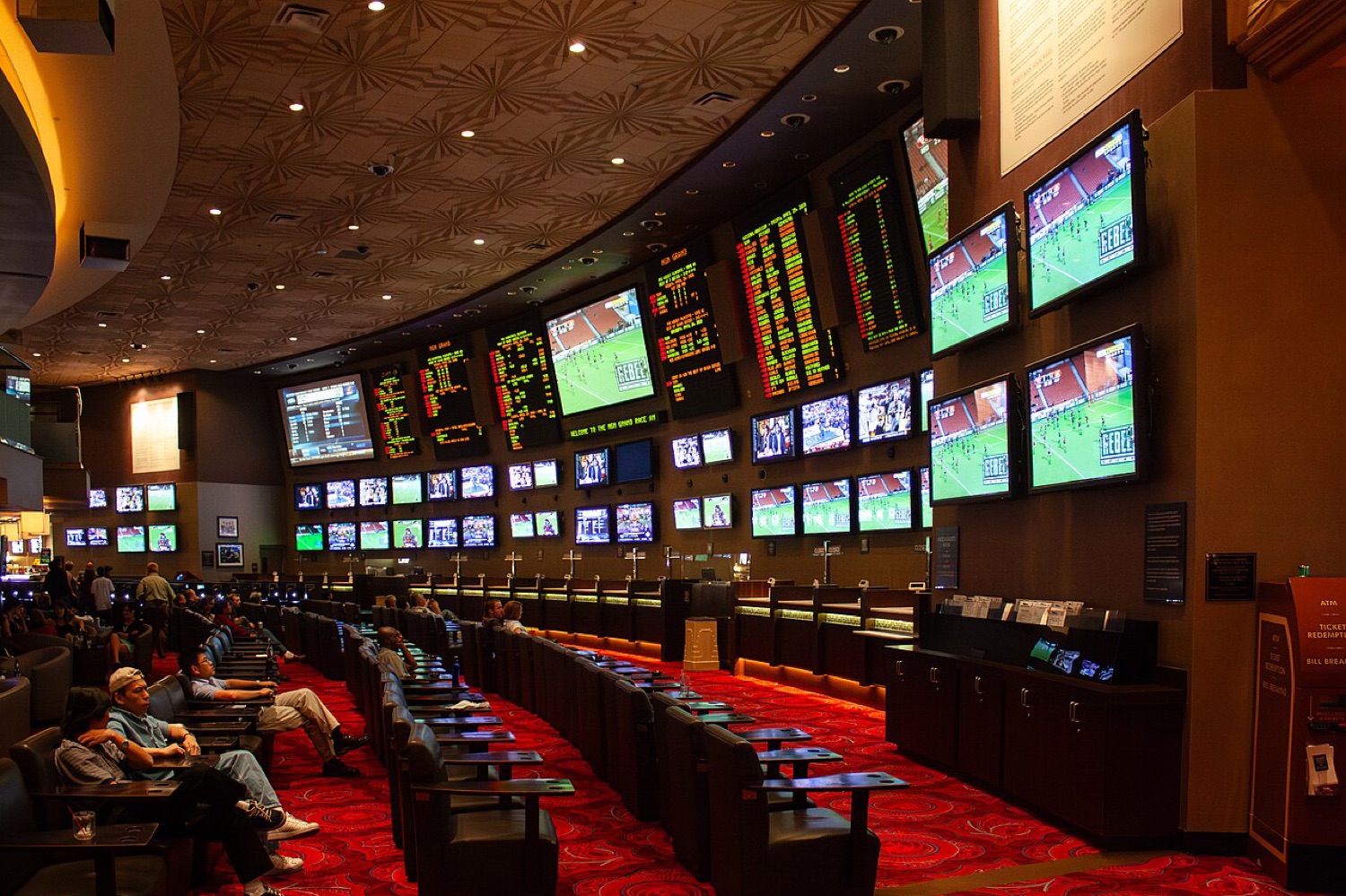
Marketing automation in a B2B company might send a few thousand emails a week, triggered by downloads and page visits. A large sportsbook's automation reacts to millions of events: bets placed, deposits made, matches kicking off, goals scored. The principles are familiar to any demand generation marketer, but the speed and volume have pushed betting operators to build some of the most sophisticated automation setups in consumer marketing.
This article explains how those setups work in general terms. Results depend heavily on the operator, the market and the rules that apply there, so treat it as a map of the techniques, not a promise of outcomes.
The data foundation
Everything starts with a single customer view: account details, verification status, deposit and withdrawal history, bets and game sessions, product preferences, marketing consents and any limits or exclusions. In iGaming that view has to update in close to real time. A message about tonight's match is useless tomorrow, and a promotion sent to someone who has just set a deposit limit or excluded themselves is a compliance failure.
Triggered campaigns
| Trigger | Example action | Why it matters |
|---|---|---|
| Registration without deposit | Help with verification and payment methods | Removes friction at the first conversion step |
| First deposit | Welcome journey and product guide | Early habits predict lifetime value |
| Upcoming event for a favourite team | Preview with relevant markets | Timely, personal relevance |
| New game from a favourite studio | Release announcement | Product discovery without a bonus |
| Activity drop against own baseline | Re-engagement message or survey | Catches churn early |
| Failed deposit | Payment help | Service, not promotion |
| Limit set or exclusion requested | Immediate suppression from marketing | Required in regulated markets |
Notice how many triggers are about service rather than offers. Mature teams have learned that relevance and convenience retain customers more cheaply than bonuses, which is the same lesson B2B marketers learn about email cadence and value.
Segmentation
Betting operators segment along several dimensions at once:
- Lifecycle stage: registered, new depositor, active, at risk, lapsed. See the player lifecycle.
- Value: recency, frequency and monetary value of play, often with predicted lifetime value.
- Product: sports, casino, live casino, poker, lottery-style games, and within sport, the competitions a customer follows.
- Channel preference and consent: email, SMS, push, in-app, on-site messages, and which products the customer has agreed to hear about.
- Market: each jurisdiction has its own licence conditions, bonus rules and advertising codes.
Platforms
Some operators build their own CRM stack; many use specialist vendors. Names that come up often include Optimove, Fast Track, Xtremepush and Smartico, alongside general customer-data and messaging platforms. What distinguishes the iGaming tools is real-time event handling, integration with bonus engines and wallets, and built-in compliance filters. Our overview of marketing automation platform types puts them in context.
Testing and holdouts
Because bonuses cost money, betting CRM teams are unusually strict about proving that a campaign adds value. A standard approach is to keep a random control group out of each journey and compare net gaming revenue per customer between the groups after a set period. If the difference does not cover the bonus and messaging cost, the campaign is changed or stopped. Many teams also test cadence, channel order and creative continuously.
Compliance built into the workflow
In regulated markets automation has to enforce rules automatically: exclusion lists, consent by channel and product, bonus terms that meet local limits, quiet hours where they apply, and audit logs of what was sent to whom. The most practical way to manage this is to put the filters at the start of every journey rather than relying on each campaign manager to remember them. We summarise the rules market by market in compliance-aware marketing in regulated gambling markets, and the documentation habits that support them in documenting marketing automation processes.
What B2B marketers can borrow
Most B2B teams do not need millisecond triggers. They can still borrow the mindset: build journeys on behaviour rather than calendars, segment by lifecycle and value together, suppress aggressively, and measure every programme against a holdout. That is buyer-centric demand generation in practice.
Related reading